Axis Token Home

Category

Investor Education

22 articles

Where You Hold It Matters: The Full Downstream Impact of Custody Decisions for US Crypto Investors

Where You Hold It Matters: The Full Downstream Impact of Custody Decisions for US Crypto Investors

The decision between self-custody and custodial storage is rarely framed as a consequential financial strategy—yet it directly shapes your tax reporting obligations, your access to decentralized finance protocols, and the regulatory treatment your holdings may receive. This guide maps the full downstream effects of custody choices for US-based investors and provides a structured approach to matching storage strategy with specific financial goals.

Fault Lines in the Foundation: How Developer-Investor Incentive Gaps Quietly Sink Crypto Projects

Fault Lines in the Foundation: How Developer-Investor Incentive Gaps Quietly Sink Crypto Projects

When the economic interests of core developers diverge from those of token holders and everyday network participants, the resulting structural tensions rarely announce themselves until a market downturn forces the fracture into the open. This article examines the mechanics of incentive misalignment in token ecosystems, walks through instructive historical examples, and offers a practical audit framework for investors evaluating new opportunities.

Consensus as a Warning Sign: What It Really Means When a Crypto Project Claims Everyone Is on the Same Page

Consensus as a Warning Sign: What It Really Means When a Crypto Project Claims Everyone Is on the Same Page

When a cryptocurrency project markets itself as having perfectly harmonized incentives among all stakeholders, experienced investors should treat that claim with measured skepticism rather than enthusiasm. History demonstrates that the loudest proclamations of unified purpose often precede the most damaging fractures. This article examines the structural reasons why declared alignment frequently becomes the precondition for catastrophic failure.

Too Much Agreement: Why Perfectly Unified Crypto Incentives Can Be a Warning Sign

Too Much Agreement: Why Perfectly Unified Crypto Incentives Can Be a Warning Sign

Conventional wisdom holds that the best crypto projects are those where founders, token holders, and users all want exactly the same things. The historical record, however, tells a more complicated story—one where frictionless alignment has repeatedly preceded dramatic collapse, and where productive tension has quietly sustained some of the most durable protocols in the space.

Volume as Theater: How Manufactured Trading Activity Deceives Crypto Investors—and How to See Through It

Volume as Theater: How Manufactured Trading Activity Deceives Crypto Investors—and How to See Through It

Trading volume is widely treated as a proxy for market health, but across much of the cryptocurrency landscape, those numbers are constructed rather than organic. Understanding the mechanics behind artificial volume inflation—and the practical tools available to US investors—can mean the difference between entering a genuinely liquid market and becoming exit liquidity for coordinated manipulation.

Polished Messaging, Broken Timelines: What Crypto's PR Machine Doesn't Want You to Measure

Polished Messaging, Broken Timelines: What Crypto's PR Machine Doesn't Want You to Measure

Sophisticated marketing and genuine technical delivery are not the same thing—yet many investors treat them as interchangeable signals. This article examines how cryptocurrency projects use narrative polish to obscure engineering delays, and offers a practical framework for measuring whether a team's public promises are backed by real execution history.

Who Really Governs the Protocol? Understanding How Token Voting Concentrates Power—and What That Means for Everyday Investors

Who Really Governs the Protocol? Understanding How Token Voting Concentrates Power—and What That Means for Everyday Investors

Decentralized governance promises that token holders collectively steer the direction of crypto protocols—but the mechanics of how votes are counted often tell a very different story. Whale wallets and early insiders frequently hold disproportionate sway, reducing smaller participants to passive observers in decisions that directly affect the value of their holdings. Understanding how governance power is distributed is no longer optional for serious US investors; it is a prerequisite for evaluat

Beyond Diversification: Why Portfolio Coherence Is the Missing Variable in Most Crypto Strategies

Beyond Diversification: Why Portfolio Coherence Is the Missing Variable in Most Crypto Strategies

Most crypto investors treat diversification as a strategy in itself, spreading capital across dozens of unrelated projects and assuming breadth equals protection. But a fragmented portfolio built without internal logic rarely performs the way its owner expects—and often conceals compounding risks that no single asset's fundamentals would reveal in isolation. This article examines why coherence, not just diversification, determines whether a crypto portfolio holds together under pressure.

When Perfect Tokenomics Becomes the Enemy of Real Progress

When Perfect Tokenomics Becomes the Enemy of Real Progress

A flawlessly engineered token distribution model can look compelling on a whitepaper and still collapse under the weight of real-world adoption pressures. Understanding why mathematically elegant tokenomics often masks deeper structural weaknesses is one of the most important skills any serious crypto investor can develop. This analysis offers a practical framework for separating theoretical soundness from genuine, durable value.

When Interests Diverge: How Structural Misalignment Between Token Holders and Protocols Quietly Destroys Crypto Projects

When Interests Diverge: How Structural Misalignment Between Token Holders and Protocols Quietly Destroys Crypto Projects

A cryptocurrency project's whitepaper can describe flawless token economics, yet the venture collapses within months. The culprit is rarely technical failure — it is the silent erosion caused by misaligned incentives between the parties who hold tokens, those who build the protocol, and those who operate it. Understanding how to identify these structural fault lines before committing capital is one of the most consequential skills an investor can develop.

Token Mechanics Under the Microscope: How to Tell Whether a Crypto Project's Incentives Build Real Value or Just Recycle It

Token Mechanics Under the Microscope: How to Tell Whether a Crypto Project's Incentives Build Real Value or Just Recycle It

Many cryptocurrency projects launch with sophisticated-sounding tokenomics that, on closer inspection, amount to little more than reward redistribution dressed up as utility. This analysis breaks down the structural gap between token incentives and genuine network value, and offers US investors a practical framework for separating durable economic design from circular reward loops.

Chasing Phantom Returns: How to Distinguish Genuine Crypto Yield from a Structural Trap

Chasing Phantom Returns: How to Distinguish Genuine Crypto Yield from a Structural Trap

Sky-high APY figures in yield farming and liquidity mining programs have drawn countless retail investors into positions that ultimately collapsed. Understanding the mechanics behind these reward structures is essential for any serious participant in digital asset markets. This guide offers a clear framework for separating sustainable yield opportunities from those that are algorithmically destined to fail.

The 2024 US Crypto Tax Compliance Guide: What Every American Investor Needs to Report—and How

The 2024 US Crypto Tax Compliance Guide: What Every American Investor Needs to Report—and How

The IRS has significantly expanded its scrutiny of digital asset transactions, and American crypto investors face a compliance landscape that is more complex—and less forgiving—than ever before. From staking income and DeFi activity to airdrops and NFT sales, this guide walks through the specific reporting obligations that matter most heading into the 2024 tax year. Understanding these requirements now can prevent costly mistakes and unnecessary penalties later.

From Spectator to Stakeholder: How Ethereum's Consensus Evolution Is Opening the Door for Everyday American Investors

From Spectator to Stakeholder: How Ethereum's Consensus Evolution Is Opening the Door for Everyday American Investors

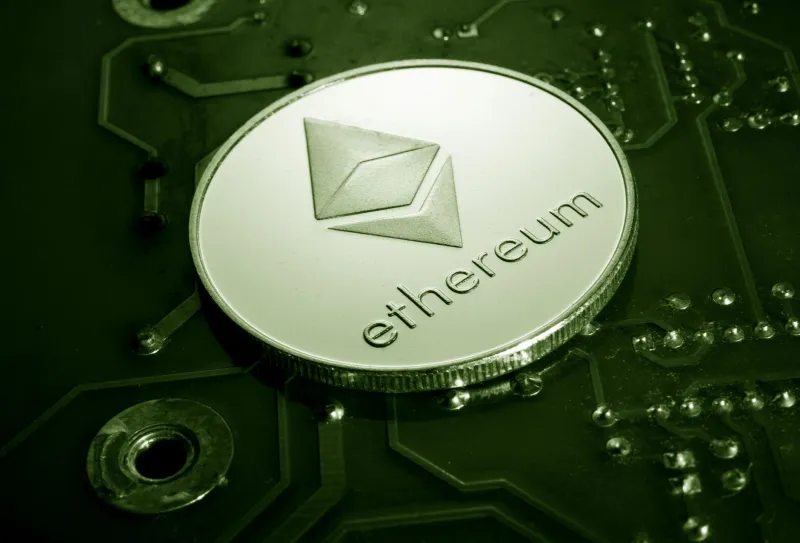
Ethereum's ongoing consensus layer refinements are doing more than improving network efficiency — they are fundamentally altering who gets to participate in blockchain validation and on what terms. For American retail investors who once viewed staking as the exclusive territory of institutional players, the landscape has shifted considerably. This article breaks down what those changes mean in practical, portfolio-relevant terms.

Ahead of the Rules: How Informed Crypto Investors Are Preparing for the Regulatory Inflection Point

Ahead of the Rules: How Informed Crypto Investors Are Preparing for the Regulatory Inflection Point

The regulatory environment for digital assets in the United States is approaching a period of unprecedented clarity, and the investors who will benefit most are those who are preparing today rather than reacting tomorrow. From evolving tax treatment and custody standards to the emerging distinction between compliant tokens and those facing heightened scrutiny, the decisions made now will shape portfolio outcomes for years ahead. This guide examines the strategic moves that sophisticated US crypt

Before You Buy: 5 Non-Negotiable Checkpoints for Evaluating Any Cryptocurrency Project in the US Market

Before You Buy: 5 Non-Negotiable Checkpoints for Evaluating Any Cryptocurrency Project in the US Market

With thousands of cryptocurrency projects competing for investor attention, separating genuine opportunity from elaborate noise has never been more critical. Whether you are a first-time buyer or a seasoned digital asset holder, applying a disciplined evaluation framework can mean the difference between a sound investment and a costly mistake. This guide outlines five essential checkpoints every US-based crypto investor should apply before committing capital to any new token.